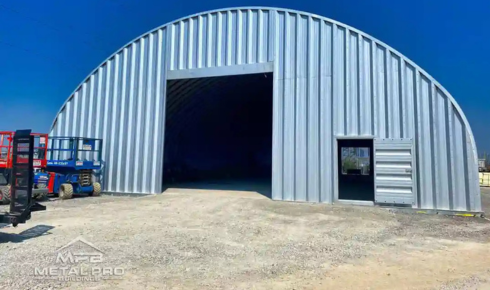
There’s something quietly powerful about a well-built industrial space. It doesn’t ask for attention, doesn’t show off. It simply works—day in, day out—holding inventory, sheltering equipment, supporting people and processes that keep a business alive. Over the years, industrial construction has changed in subtle but meaningful ways, and metal buildings have moved from being a “practical option” to a genuinely smart long-term choice.
If you look closely at companies that specialize in custom metal structures, one thing becomes clear: today’s industrial buildings are no longer one-size-fits-all boxes. They’re engineered solutions shaped around how businesses actually operate.
At the heart of this shift is flexibility. Businesses evolve, sometimes faster than expected. A space that works perfectly today might feel tight or outdated in five years. Metal construction allows owners to think ahead—clear spans without interior columns, scalable layouts, and structures that can grow or adapt without tearing everything down and starting again. That kind of foresight is no longer a luxury; it’s a necessity.
Designed for Real Work, Not Just Blueprints
Industrial spaces are not theoretical. Forklifts move. Trucks back in and out. People walk miles inside a single building during a shift. Good design respects that reality.
Modern metal buildings are increasingly planned around workflow rather than just square footage. Ceiling heights are optimized for vertical storage. Door placements consider traffic flow. Insulation and ventilation are chosen not just for compliance, but for comfort—because productivity drops when people are freezing in winter or baking in summer.
A well-designed warehouse today is less about raw size and more about how smoothly things move inside it. When layout, structure, and materials work together, daily operations feel easier. And that ease adds up over years of use.
Strength That Ages Gracefully
Durability is often mentioned in passing, but it deserves more respect. Industrial buildings take a beating—from weather, from heavy equipment, from constant use. Metal structures, when properly engineered, handle this reality exceptionally well.
Steel doesn’t warp. It doesn’t rot. It resists pests and fire far better than many traditional materials. Over time, this translates into lower maintenance costs and fewer unpleasant surprises. Owners can focus on running their business instead of chasing repairs.
There’s also a quiet confidence that comes from knowing your building can handle extremes—high winds, heavy snow loads, temperature swings—without drama. That peace of mind is hard to quantify, but easy to appreciate.
Energy Efficiency Without the Buzzwords
Energy efficiency is often marketed loudly, but in industrial construction, it’s usually about smart, practical choices rather than flashy claims. Proper insulation systems, reflective roofing, and thoughtful orientation can significantly reduce heating and cooling costs.
Metal buildings have improved dramatically in this area. Older stereotypes of “hot in summer, cold in winter” no longer hold up when modern materials and techniques are used. The result is a building that feels stable and comfortable year-round, even as energy prices fluctuate.
And yes, it’s better for the environment too—but most business owners appreciate efficiency because it shows up on monthly bills. Sustainability feels a lot more real when it’s also saving money.
Customization Without Complication
One of the biggest misconceptions about metal buildings is that they’re rigid or limited in appearance. In reality, customization has become one of their strongest advantages.
From exterior finishes and colors to interior layouts and structural clearances, these buildings can be shaped to fit very specific needs. Whether it’s accommodating specialized machinery, creating office space within an industrial shell, or planning for future expansion, customization doesn’t have to mean complexity.
The best builders guide clients through these choices calmly and clearly, helping them see details that might otherwise be overlooked—things that matter years down the line, not just on opening day.
A Long View on Value
Industrial construction is rarely an emotional purchase. It’s a strategic one. The goal isn’t just to build something—it’s to invest in a structure that supports growth, efficiency, and reliability over time.
Metal buildings tend to perform well on this front. Faster construction timelines reduce downtime. Lower maintenance protects cash flow. Adaptable designs extend the building’s useful life. When you step back and look at the full picture, the value becomes obvious.
In the end, a good industrial building doesn’t shout about its quality. It proves it quietly, every single day. And for businesses that depend on their space to function smoothly, that kind of reliability is worth far more than flashy features or short-term savings.
The future of industrial construction isn’t about reinventing the wheel. It’s about refining what works—strong materials, thoughtful design, and a deep understanding of how real businesses operate. When those elements come together, the result is more than a building. It’s a foundation for everything that happens inside.