

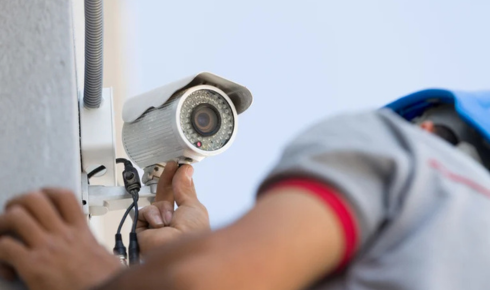
Business surveillance plays an important role in protecting premises, staff, and customers. While CCTV cameras are widely used across Australia, many business owners are unaware that audio recording is regulated very differently from video surveillance.
Turning on sound recording without understanding the law can expose a business to serious legal consequences.
This article explains how audio recording laws work in Australia, what is permitted, the risks of non-compliance, and why professional guidance is essential.
Audio Recording Laws Are Different from Video Surveillance
Video surveillance is generally lawful when used for legitimate security purposes and when individuals are notified through visible signage.
Audio recording, however, is considered far more intrusive under Australian law because it captures spoken conversations that people reasonably expect to remain private.
Unlike video footage, audio recordings are governed by listening device or surveillance device legislation at the state and territory level. These laws focus heavily on privacy and consent, making audio recording much harder to justify in everyday business environments.
What the Law Allows: Consent and State-Based Rules
Australia does not have a single national rule for audio surveillance. Each state and territory has its own legislation, but the underlying principles are largely consistent across them.
In most jurisdictions, recording a private conversation without the consent of all parties involved is unlawful. This usually means all people involved in the conversation must agree to being recorded. In a business setting, this can be extremely difficult to achieve in a compliant way.
Audio recording may only be lawful in limited circumstances, such as when every participant clearly consents or where a narrow legal exception applies.
These exceptions are rare for small and medium-sized businesses and should never be assumed.
Because consent laws are technical and vary slightly across states, many businesses seek small business legal advice before considering any form of audio surveillance.
Common Business Situations Where Problems Arise
Many compliance issues occur unintentionally, particularly when businesses are unaware that their systems record sound.
Modern CCTV equipment often includes microphones that are activated by default. Without professional configuration, a business may be recording conversations without realising it. This is why professional security camera installation services are critical for compliance.
Audio recording also becomes problematic in customer-facing environments such as retail stores, offices, hospitality venues, and medical or professional services.
Employee monitoring presents another risk. Recording staff conversations without consent may breach surveillance laws, employment obligations, and workplace privacy standards, potentially resulting in disputes or claims.
Risks of Non-Compliance for Australian Businesses
Failing to comply with audio recording laws can have serious consequences that go far beyond removing a camera or deleting footage.
Businesses may face:
- Fines or criminal penalties, depending on the state legislation
- Civil claims from customers or employees
- Regulatory investigations and compliance notices
- Reputational damage that affects trust and customer confidence
Many of these risks arise even when there was no intention to misuse recordings. This is why prevention and compliance are far more effective than responding after a complaint is made.
The Role of Legal and Technical Professionals
Understanding and applying surveillance laws is not always straightforward. This is where professional support becomes essential.
Small business lawyers help businesses understand how surveillance laws apply to their specific operations. Seeking small business legal advice early often prevents costly mistakes later.
Reputable security camera installation services ensure that audio recording functions are disabled unless explicitly required and legally permitted. They also position cameras correctly, configure systems to protect privacy, and help businesses meet transparency obligations.
Together, legal and technical professionals help ensure surveillance systems protect the business without creating unnecessary legal exposure.
Best Practice for Business Surveillance
For most Australian businesses, the safest and most effective approach is to rely on video-only surveillance. Audio recording is rarely necessary to achieve security objectives and often creates more risk than benefit.
Best practice includes:
- Using CCTV systems without audio recording enabled
- Displaying clear signage informing people of video surveillance
- Seeking legal advice before considering audio recording
- Engaging professional installers to configure systems correctly
Conclusion
Audio recording on business security cameras is heavily restricted across Australia. While video surveillance is widely accepted, recording sound without proper consent can lead to fines, disputes, and lasting reputational damage.
By understanding the law, using professional security camera installation services, and obtaining reliable small business legal advice, businesses can protect their assets without crossing legal boundaries. When it comes to audio surveillance, caution and compliance are always the smarter choice.
FAQs
Is audio recording on CCTV legal in Australia?
In most cases, no. Recording private conversations without consent is generally unlawful under state surveillance laws.
Does displaying signage allow audio recording?
Usually not. Signage alone rarely meets the legal requirements for consent to audio recording.
Can businesses record audio to protect against disputes or theft?
Audio recording is rarely justified for security purposes. Video surveillance is typically sufficient and far safer legally.
Are employees allowed to be audio-recorded at work?
Only with proper consent and compliance with workplace surveillance and privacy laws. Legal advice is strongly recommended.
Should audio be disabled on business security cameras?
Yes, unless a qualified lawyer confirms it is lawful in your specific circumstances.
