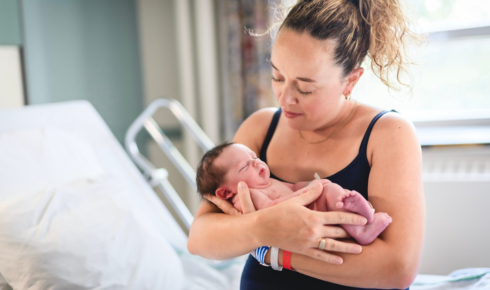
The arrival of a new baby is usually a time of excitement, celebration and adjustment. However, when a baby or mother experiences an injury during pregnancy, labour or delivery, the impact can extend far beyond the immediate medical treatment required.
Some birth injuries are minor and temporary. Others may result in long-term health conditions, ongoing care needs and significant changes to family life. When families believe that an injury could have been avoided, they may also be left searching for answers about what happened and why.
What Is Considered a Birth Injury?
A birth injury is an injury sustained by a baby or mother during pregnancy, childbirth or shortly after delivery.
Birth injuries can occur for many different reasons. Complications can develop even when medical professionals have provided an appropriate standard of care, meaning that the existence of an injury does not necessarily indicate negligence.
However, concerns may arise when an injury appears to have been caused or made worse by an avoidable error, an unreasonable delay or a failure to respond appropriately to warning signs.
Examples of birth injuries and complications can include:
- Brain damage caused by oxygen deprivation
- Cerebral palsy
- Erb’s palsy and other nerve damage
- Fractures during delivery
- Injuries caused during an assisted birth
- Untreated infections
- Maternal tears and other physical injuries
- Complications connected to delayed treatment
- Psychological trauma following childbirth
Every situation is different, and the cause of an injury may not be immediately clear.
The Emotional Impact on Parents
Parents affected by a birth injury can experience a wide range of emotions. These may include sadness, anger, guilt, confusion and anxiety about the future.
They may also find themselves repeatedly reviewing the events surrounding the birth and questioning whether something should have been handled differently. This can be especially difficult when the family feels that it has not received a clear explanation from the hospital or medical team.
In addition to dealing with the physical consequences of the injury, parents may have to attend frequent appointments, communicate with several healthcare professionals and make important decisions about their child’s treatment.
Access to emotional support, counselling and appropriate medical guidance can therefore be just as important as obtaining answers about the events surrounding the birth.
The Practical Impact on Family Life
A serious birth injury can significantly affect a family’s daily routine.
Depending on the nature of the injury, a child may require:
- Regular hospital appointments
- Physiotherapy or occupational therapy
- Speech and language therapy
- Specialist equipment
- Assistance at school
- Professional care
- Adaptations to the family home
- Accessible transport
- Long-term medical treatment
Parents may also need to reduce their working hours or leave employment altogether to provide care. This can create financial pressure at a time when the family is already managing considerable emotional and practical challenges.
The needs of the child may also change as they grow, making it important to consider both their current requirements and the support they may need in adulthood.
When Could Medical Negligence Be Involved?
Not every medical complication is caused by negligence. For a medical negligence claim to be considered, it is generally necessary to establish that the care provided fell below an acceptable professional standard and that this directly caused or contributed to the injury.
Examples of situations that may require further investigation include:
- Failure to monitor the baby properly
- Failure to recognise signs of foetal distress
- An avoidable delay in carrying out a caesarean section
- Incorrect use of forceps or ventouse
- Failure to diagnose or treat an infection
- Poor management of pre-eclampsia
- Failure to respond to abnormal test results
- Medication errors
- Inadequate care following delivery
Medical records and independent expert evidence are usually needed to determine whether the treatment provided was negligent.
Taking the First Steps
Families who have concerns about maternity care may wish to begin by requesting an explanation from the hospital or healthcare provider.
It can also be useful to create a written record of the events surrounding the pregnancy and birth. This could include:
- Appointment dates
- Symptoms reported to medical staff
- Advice given by doctors or midwives
- Details of any delays
- Names of the professionals involved
- Information provided following the birth
- Copies of letters and medical records
Families can also use the NHS complaints process to raise concerns about the care received. This is separate from making a legal claim but may help provide further information about what happened.
How Legal Advice May Help
Birth injury cases can be complex because they require both medical and legal evidence. A specialist solicitor can review the available information, obtain relevant medical records and seek opinions from independent experts.
Where negligence is established, compensation may help cover the cost of care, rehabilitation, specialist equipment, suitable accommodation and other support required by the child or injured parent.
Those seeking advice can speak with the specialist birth injury solicitors at Howells Solicitors, who assist individuals and families affected by birth and maternity negligence.
Speaking with a solicitor does not mean that a family must immediately begin legal proceedings. An initial discussion can help them understand whether the circumstances should be investigated further and what options may be available.
Supporting a Family’s Future
A serious birth injury can change the lives of everyone involved. Families may require medical, emotional, practical and financial support for many years after the birth.
Seeking answers can help parents understand what happened, while specialist advice can help identify whether an avoidable failure in care contributed to the injury.
Although no investigation or compensation can reverse the effects of an injury, the right support can help families prepare for the future and ensure that the injured person’s long-term needs are properly considered.
This article is provided for general information and should not be treated as legal or medical advice.