Author: Admin

  • Intellectual Property Rights and the Creative Economy: Protecting Ideas for the Future

    Intellectual Property Rights and the Creative Economy: Protecting Ideas for the Future

    In an age where innovation drives progress and creativity fuels industries, Intellectual Property Rights (IPR) have become crucial in safeguarding the fruits of creative endeavors. The intersection of intellectual property rights and the creative economy is pivotal, as it not only protects creators’ ideas but also nurtures an environment conducive to innovation and economic growth. This article delves into the significance of intellectual property rights in the creative economy and explores how they contribute to protecting and propelling ideas into the future.

    What Are Intellectual Property Rights?

    Intellectual Property Rights refer to the legal protections granted to creators, inventors, and businesses for their creations and inventions. These rights are designed to safeguard original works and ideas from unauthorized use, ensuring that creators can benefit from their intellectual contributions. The primary forms of intellectual property rights include:

    1. Copyright: Protects original works of authorship, such as literary, musical, and artistic works. Copyright grants authors the exclusive right to reproduce, distribute, and display their works.
    2. Patents: Protect inventions and technological innovations, granting inventors exclusive rights to make, use, and sell their inventions for a specified period.
    3. Trademarks: Protect distinctive signs, symbols, or logos that identify and distinguish goods or services. Trademarks help consumers recognize and associate products with their source.
    4. Trade Secrets: Protect confidential business information that provides a competitive edge, such as formulas, processes, or marketing strategies.
    5. Design Rights: Protect the visual appearance of products, including their shape, color, and texture. Design rights ensure that the aesthetic features of products are not copied without permission.

    The Creative Economy and Its Importance

    The creative economy encompasses a broad range of industries where creativity and intellectual property play a central role. This includes sectors such as:

    • Entertainment: Film, music, television, and gaming industries thrive on creative content protected by copyright and trademarks.
    • Publishing: Books, magazines, and digital content rely on copyright to protect authors’ works and publishers’ investments.
    • Fashion: Designers and brands use trademarks and design rights to protect their unique styles and designs.
    • Technology: Innovations in software, apps, and digital platforms are protected by patents and trade secrets.

    The creative economy contributes significantly to global GDP, employment, and cultural enrichment. It fosters innovation, generates revenue, and enhances societal well-being by providing diverse forms of artistic and technological expression. Protecting intellectual property is essential for sustaining this economic sector and encouraging further creativity.

    Why Intellectual Property Rights Are Crucial for the Creative Economy

    1. Encouraging Innovation and Creativity: Intellectual property rights provide creators with the assurance that their work will be protected from unauthorized use or reproduction. This security encourages individuals and businesses to invest time and resources into innovative projects, knowing they will benefit from their efforts.
    2. Economic Growth and Job Creation: The creative economy relies on the commercialization of intellectual property. By protecting ideas and creations, intellectual property rights help businesses generate revenue, attract investment, and create jobs. This contributes to overall economic growth and development.
    3. Fostering Competition and Fair Trade: Intellectual property rights ensure that businesses and creators can compete fairly in the market. They prevent counterfeiting and piracy, ensuring that original works and innovations are not unfairly copied or exploited by others.
    4. Supporting Global Trade: Intellectual property rights play a critical role in international trade. They provide a framework for protecting creations across borders, facilitating the exchange of creative and technological products on a global scale.
    5. Enhancing Consumer Trust: Trademarks and design rights help consumers identify and trust the quality of products and services. This trust is essential for maintaining brand reputation and consumer loyalty.

    Challenges in Protecting Intellectual Property in the Creative Economy

    Despite the benefits, protecting intellectual property in the creative economy presents several challenges:

    1. Digital Piracy: The rise of digital technologies has made it easier for copyrighted material to be copied and distributed without authorization. Online piracy poses a significant threat to the creative industries, leading to revenue loss and diminished incentives for creators.
    2. Global Enforcement: Intellectual property rights are often confined to specific jurisdictions, making it challenging to enforce protections internationally. Cross-border enforcement issues can hinder the protection of intellectual property in a globalized economy.
    3. Evolving Technologies: Rapid advancements in technology continually introduce new forms of creative works and inventions. Keeping intellectual property laws up-to-date with emerging technologies is essential to ensure effective protection.
    4. Cost and Complexity: Securing and enforcing intellectual property rights can be costly and complex, especially for small businesses and individual creators. Legal fees, registration processes, and enforcement measures can be burdensome.

    Strategies for Protecting Intellectual Property in the Creative Economy

    To address these challenges and effectively protect intellectual property, creators and businesses can employ various strategies:

    1. Educate and Raise Awareness: Understanding intellectual property rights and their importance is crucial for creators and businesses. Education and awareness programs can help stakeholders navigate the complexities of intellectual property protection.
    2. Utilize Digital Rights Management (DRM): Implementing DRM technologies can help control and restrict unauthorized access to digital content. DRM tools provide additional layers of protection against piracy and unauthorized distribution.
    3. Register Intellectual Property: Properly registering intellectual property rights, such as trademarks and patents, provides legal protection and enhances the ability to enforce rights. Registration serves as official documentation of ownership and can aid in legal disputes.
    4. Collaborate with Legal Experts: Engaging intellectual property attorneys and legal experts can ensure that intellectual property rights are effectively protected and enforced. Legal professionals can provide guidance on registration, licensing, and litigation.
    5. Monitor and Enforce Rights: Regularly monitoring the market for potential infringements and taking swift action to address violations is essential. Enforcing intellectual property rights through legal channels can deter unauthorized use and protect the value of creative assets.
    6. Leverage Technology for Protection: Adopting technologies that track and manage intellectual property, such as blockchain for digital rights management, can enhance protection and transparency.

    Conclusion

    Intellectual Property Rights play a vital role in the creative economy by safeguarding ideas, fostering innovation, and supporting economic growth. As the landscape of creativity and technology continues to evolve, protecting intellectual property becomes increasingly important. By understanding the significance of intellectual property rights and employing effective protection strategies, creators and businesses can ensure that their ideas are safeguarded for the future.

    As we move forward, the collaboration between creators, legal experts, and policymakers will be crucial in addressing the challenges and opportunities within the creative economy. By prioritizing intellectual property protection, we can continue to support and nurture the creativity that drives progress and enriches our world.

  • Digital vs. Paper Legal Documents: What You Need to Know

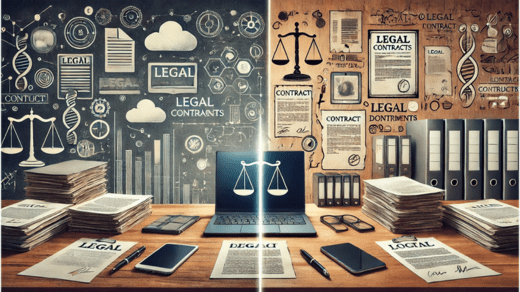
    Digital vs. Paper Legal Documents: What You Need to Know

    In today’s rapidly evolving world, the debate between digital and paper legal documents is more pertinent than ever. As technology advances, many businesses and individuals are moving towards digital solutions for managing legal documents. However, traditional paper documents remain deeply entrenched in many legal practices. Understanding the differences between digital and paper legal documents, their respective advantages and disadvantages, and the implications for security and compliance is crucial for making informed decisions.

    The Rise of Digital Legal Documents

    **1. Advantages of Digital Legal Documents

    • Accessibility: Digital documents are easily accessible from any location with an internet connection. This is particularly advantageous for legal professionals who need to access files from multiple locations or collaborate with clients and colleagues remotely.
    • Searchability: Digital documents can be quickly searched using keywords, which can significantly expedite the process of locating specific information within a large volume of paperwork.
    • Storage and Space Efficiency: Digital storage eliminates the need for physical space, reducing clutter and the costs associated with physical storage. This is especially beneficial for organizations with extensive document archives.
    • Cost Savings: The costs associated with printing, mailing, and storing paper documents can be substantial. Digital documents reduce these costs, making them a cost-effective option for many businesses.
    • Environmentally Friendly: Digital documents contribute to reducing paper waste, which aligns with environmental sustainability efforts. Going paperless helps in reducing the carbon footprint and conserving natural resources.

    **2. Disadvantages of Digital Legal Documents

    • Security Risks: Digital documents are susceptible to cyber threats such as hacking, data breaches, and unauthorized access. Ensuring robust cybersecurity measures and regular updates is essential to protect sensitive information.
    • Technical Issues: Dependence on technology means that technical issues such as software malfunctions, data corruption, or hardware failures can impact access to digital documents. Regular backups and disaster recovery plans are necessary to mitigate these risks.
    • Compliance Challenges: Digital documents must comply with various regulations and standards, including data protection laws. Ensuring that digital systems meet these requirements can be complex and requires ongoing vigilance.

    The Role of Paper Legal Documents

    **1. Advantages of Paper Legal Documents

    • Legal Validity: In many jurisdictions, paper documents are still considered the standard for legal validity and evidence. Certain legal processes and transactions may require physical signatures or original documents.
    • Tangible Records: Paper documents provide a physical record that can be useful for verification purposes or when digital systems are inaccessible. They also offer a reliable backup in case of technological failures.
    • Simplicity: For some individuals and organizations, dealing with paper documents can be simpler and more straightforward than navigating digital systems. This can be particularly relevant for those who are less tech-savvy.

    **2. Disadvantages of Paper Legal Documents

    • Storage and Management: Physical documents require significant storage space and can be cumbersome to manage. Organizing, retrieving, and maintaining paper records can be time-consuming and labor-intensive.
    • Risk of Loss or Damage: Paper documents are vulnerable to physical damage, loss, or theft. Fire, water, or other environmental factors can compromise the integrity of paper records.
    • Cost: The costs associated with printing, mailing, and storing paper documents can add up over time. For large organizations or those with extensive documentation needs, these costs can be substantial.

    Compliance and Legal Considerations

    **1. Legal Framework for Digital Documents

    Different jurisdictions have varying laws and regulations governing the use and recognition of digital documents. For example, the United States has laws such as the Electronic Signatures in Global and National Commerce (ESIGN) Act and the Uniform Electronic Transactions Act (UETA) that provide legal recognition for electronic signatures and records.

    Similarly, the European Union has the eIDAS Regulation, which establishes standards for electronic identification and trust services, including electronic signatures and electronic documents. Ensuring compliance with these regulations is crucial for the legal validity and enforceability of digital documents.

    **2. Record Keeping and Retention

    Both digital and paper documents are subject to record-keeping and retention requirements. Organizations must ensure that they comply with industry-specific regulations regarding the retention period for various types of documents. Digital record-keeping systems must include features for auditing, tracking changes, and ensuring the integrity of records.

    **3. Accessibility and Inclusivity

    Digital documents can be made more accessible through various assistive technologies, such as screen readers and text-to-speech tools. Ensuring that digital documents are accessible to individuals with disabilities is an important aspect of inclusivity and compliance with accessibility standards.

    Best Practices for Managing Legal Documents

    **1. Balancing Digital and Paper Documents

    Many organizations adopt a hybrid approach, utilizing both digital and paper documents to balance the advantages of each. For example, critical documents might be maintained in both digital and paper formats to ensure redundancy and accessibility.

    **2. Implementing Robust Security Measures

    For digital documents, implementing strong cybersecurity measures is essential. This includes using encryption, secure access controls, regular software updates, and conducting vulnerability assessments to protect against potential threats.

    **3. Establishing Clear Policies and Procedures

    Organizations should establish clear policies and procedures for managing both digital and paper documents. This includes guidelines for document creation, storage, retrieval, and disposal. Ensuring that all employees are trained on these policies can help maintain consistency and compliance.

    **4. Regular Audits and Reviews

    Conducting regular audits and reviews of document management practices can help identify areas for improvement and ensure ongoing compliance with legal and regulatory requirements. This includes reviewing digital systems for security vulnerabilities and assessing the effectiveness of paper document management processes.

    Conclusion

    The choice between digital and paper legal documents is not a one-size-fits-all decision. Each format has its own set of advantages and disadvantages, and the best approach depends on the specific needs and circumstances of the individual or organization. By understanding the benefits and limitations of both digital and paper documents, and implementing best practices for managing them, you can make informed decisions that align with your legal, operational, and security requirements. As technology continues to evolve, staying informed about the latest developments and regulatory changes will help ensure that your document management practices remain effective and compliant.

  • Property Division in Divorce: A Guide to Equitable Distribution in Family Law

    Property Division in Divorce: A Guide to Equitable Distribution in Family Law

    Divorce is a challenging process that involves many complex issues, one of the most significant being the division of property. Understanding how property division works in divorce, particularly the principle of equitable distribution, is crucial for anyone navigating the legal aspects of ending a marriage. This guide will explore the concept of equitable distribution, the factors involved, and how you can prepare for a fair division of assets.

    What is Equitable Distribution?

    Equitable distribution is a legal principle used to divide marital property fairly during a divorce. Unlike community property states, where assets are typically divided 50/50, equitable distribution does not necessarily mean an equal split. Instead, it aims to divide property in a manner that is fair and just, taking into account various factors specific to each case.

    How Does Equitable Distribution Work?

    In equitable distribution states, the court considers several factors to determine how property should be divided. The process generally involves the following steps:

    1. Identification of Marital Property: The first step is to identify which assets and debts are considered marital property. Marital property includes assets acquired during the marriage, regardless of whose name is on the title or account. This may include real estate, bank accounts, retirement funds, and personal property. Separate property, such as assets owned before the marriage or received as gifts or inheritances, is typically excluded from division.
    2. Valuation of Assets: Once marital property is identified, each asset must be valued. This can involve appraisals for real estate, business valuations, and assessing the value of personal property. Accurate valuations are crucial for ensuring a fair distribution.
    3. Division of Property: After valuing the assets, the court will divide them based on what it deems equitable. This doesn’t always mean a 50/50 split; instead, the division will be based on factors such as the financial and non-financial contributions of each spouse, the length of the marriage, and the needs of each party.

    Factors Considered in Equitable Distribution

    Several factors influence how property is divided under the equitable distribution principle. These include:

    1. Length of the Marriage: The duration of the marriage can affect the division of assets. In longer marriages, there is often a greater expectation of shared property, whereas in shorter marriages, the division might be less complex.
    2. Financial Contributions: The financial contributions of each spouse are considered. This includes income, investments, and contributions to the household. However, non-financial contributions, such as homemaking and child-rearing, are also taken into account.
    3. Non-Financial Contributions: Contributions such as managing the household, caring for children, and supporting the other spouse’s career are recognized as valuable. These contributions can impact the division of property.
    4. Economic Circumstances: The court will consider the economic circumstances of each spouse, including their earning potential, health, and age. This helps ensure that the division of property does not leave one party in an unfairly disadvantaged position.
    5. Custody of Children: If children are involved, the needs of the children can influence property division. The custodial parent might receive a larger share of the marital assets to ensure the children’s well-being.
    6. Debt and Liabilities: Marital debts are also divided equitably. This means that debts incurred during the marriage are typically divided along with the assets. The court will consider who should be responsible for paying off these debts.

    Preparing for Property Division in Divorce

    Preparing for property division can help ensure a fair outcome. Here are some steps you can take:

    1. Document Your Assets: Create a detailed inventory of all marital assets and debts. This includes bank accounts, real estate, vehicles, investments, and personal property. Accurate documentation is crucial for a fair division.
    2. Get Professional Valuations: Consider obtaining professional appraisals for significant assets, such as real estate and business interests. This will help establish their value and ensure a fair distribution.
    3. Understand Your Rights: Familiarize yourself with the laws and regulations regarding equitable distribution in your state. Understanding your rights can help you navigate the process more effectively.
    4. Seek Legal Advice: Consult with a family law attorney who can provide guidance tailored to your specific situation. An attorney can help you understand your rights, negotiate settlements, and represent your interests in court if necessary.
    5. Be Prepared to Negotiate: Be open to negotiations with your spouse. Often, reaching a mutual agreement can be more efficient and less stressful than going to court. Mediation can also be a helpful tool in facilitating negotiations.

    Common Challenges in Property Division

    Dividing property in divorce can be complex and may present several challenges:

    1. Hidden Assets: One spouse might attempt to hide assets to avoid sharing them. This can be addressed through thorough financial investigations and legal measures.
    2. Complex Valuations: Valuing certain assets, such as business interests or retirement accounts, can be complicated. Professional appraisers and financial experts can help resolve these issues.
    3. Emotional Factors: The division of property can be emotionally charged, especially when personal or sentimental items are involved. It’s important to approach the process with a clear focus on fairness rather than emotions.

    Conclusion

    Property division in divorce, guided by the principle of equitable distribution, aims to ensure a fair and just division of marital assets and debts. Understanding the process, factors involved, and how to prepare can help you navigate this challenging aspect of divorce more effectively. By documenting your assets, seeking professional advice, and being open to negotiation, you can work towards a fair resolution that respects both parties’ contributions and needs.

    Whether you’re facing a divorce or just seeking information about property division, being informed about equitable distribution can help you make better decisions and achieve a fair outcome. Remember, each divorce case is unique, and working with legal professionals can provide you with the support and expertise needed to navigate the complexities of property division.

  • Recent Developments in Criminal Law: Trends and Changes in Legal Practice

    Recent Developments in Criminal Law: Trends and Changes in Legal Practice

    Criminal law is an ever-evolving field, shaped by societal changes, technological advancements, and legal reforms. As we navigate through the complexities of the 21st century, recent developments in criminal law highlight significant trends and changes that are reshaping legal practice. This article explores these developments, shedding light on their implications for the justice system and legal professionals.

    1. The Rise of Digital Evidence and Cybercrime

    In an increasingly digital world, cybercrime has become a prominent issue. The rise of digital technology has led to a surge in cybercrimes such as hacking, identity theft, and online fraud. Criminal law practitioners are now required to be adept in handling digital evidence and understanding the nuances of cybercrime.

    Law enforcement agencies and legal professionals are investing in specialized training and tools to combat cybercrime effectively. Digital forensics has become a critical component of criminal investigations, involving the recovery and analysis of electronic data. This trend underscores the need for legal practitioners to stay updated with technological advancements and their implications for criminal cases.

    2. Criminal Justice Reform: Focus on Rehabilitation and Alternatives to Incarceration

    There has been a growing movement towards criminal justice reform, emphasizing rehabilitation over punitive measures. Recent developments in this area reflect a shift from traditional incarceration towards alternative sentencing and rehabilitation programs. The aim is to address the root causes of criminal behavior and reduce recidivism rates.

    Programs such as drug courts, mental health courts, and restorative justice initiatives are gaining traction. These alternatives to incarceration focus on providing support and resources to individuals, rather than solely punitive measures. Legal practitioners must navigate these evolving frameworks and advocate for solutions that prioritize rehabilitation and reintegration into society.

    3. Sentencing Reforms and the Abolition of Mandatory Minimums

    Sentencing reforms have been a focal point in recent criminal law developments. Many jurisdictions are reevaluating mandatory minimum sentences and exploring more flexible sentencing options. The goal is to address the issue of mass incarceration and ensure that sentences are proportionate to the crime committed.

    The abolition of mandatory minimums allows judges to consider individual circumstances and tailor sentences accordingly. This trend promotes a more nuanced approach to sentencing, taking into account factors such as the offender’s background, intent, and potential for rehabilitation. Legal professionals must adapt to these changes and advocate for fair and just sentences within the reformed framework.

    4. Increased Focus on Racial and Social Justice

    The conversation around racial and social justice has gained momentum in recent years, influencing criminal law practices and policies. There is a growing recognition of the disparities within the criminal justice system, particularly concerning race and socioeconomic status.

    Recent developments include initiatives aimed at addressing racial bias and promoting equity within the legal system. Legal practitioners are increasingly involved in efforts to reform policies that disproportionately impact marginalized communities. This trend emphasizes the importance of understanding the intersectionality of race, class, and criminal justice in legal practice.

    5. The Impact of Legal Technology and AI on Criminal Law

    Legal technology and artificial intelligence (AI) are transforming criminal law practice in profound ways. From predictive policing algorithms to AI-driven legal research tools, technology is reshaping how criminal cases are investigated, prosecuted, and defended.

    AI and machine learning are being used to analyze vast amounts of data, identify patterns, and assist in case management. However, the use of AI in criminal law also raises ethical concerns, such as potential biases in algorithms and the need for transparency in decision-making processes. Legal practitioners must navigate these challenges while leveraging technology to enhance their practice.

    6. The Expansion of International Criminal Law

    Globalization has led to an expansion of international criminal law, addressing crimes that transcend national boundaries. International courts and tribunals, such as the International Criminal Court (ICC), play a crucial role in prosecuting crimes like genocide, war crimes, and crimes against humanity.

    Recent developments in international criminal law reflect a growing emphasis on accountability and justice for victims of international crimes. Legal practitioners working in this field must be well-versed in international legal frameworks and navigate complex issues related to jurisdiction, extradition, and cross-border cooperation.

    7. Changes in Legal Ethics and Professional Responsibility

    As criminal law evolves, so do the ethical standards and professional responsibilities of legal practitioners. Recent developments highlight the need for transparency, accountability, and integrity in legal practice.

    Issues such as prosecutorial misconduct, defense counsel ethics, and the duty to disclose exculpatory evidence are receiving increased scrutiny. Legal professionals must adhere to evolving ethical standards and navigate complex ethical dilemmas while ensuring that justice is served fairly and impartially.

    8. The Role of Public Defenders and Access to Justice

    The role of public defenders has become increasingly vital in ensuring access to justice for individuals who cannot afford private legal representation. Recent developments emphasize the importance of adequate funding and support for public defender programs.

    Efforts to improve access to justice include initiatives to reduce caseloads, provide additional resources, and enhance training for public defenders. Legal practitioners must advocate for policies that support the effective functioning of public defender systems and promote equal access to legal representation.

    9. The Evolution of Juvenile Justice

    Juvenile justice has undergone significant reforms in recent years, focusing on the unique needs of young offenders. The shift towards a more rehabilitative and less punitive approach reflects a growing recognition of the developmental differences between juveniles and adults.

    Recent developments include efforts to prevent the transfer of juveniles to adult court, support diversion programs, and address issues such as juvenile detention conditions. Legal professionals working with juvenile clients must be aware of these changes and advocate for practices that support the positive development of young offenders.

    10. The Influence of Media and Public Perception on Criminal Cases

    The media’s influence on criminal cases has become more pronounced with the rise of social media and digital platforms. Public perception can impact legal proceedings, influencing everything from jury selection to the broader judicial process.

    Recent developments highlight the need for legal practitioners to manage media exposure and address potential biases that may arise from public opinion. Understanding the impact of media on criminal cases is essential for ensuring a fair trial and upholding the integrity of the legal process.

    Conclusion

    Recent developments in criminal law reflect a dynamic and evolving field, shaped by technological advancements, societal changes, and ongoing reforms. From the rise of digital evidence and cybercrime to the emphasis on rehabilitation and social justice, these trends are reshaping legal practice and the criminal justice system.

    Legal practitioners must stay informed and adapt to these changes to effectively navigate the complexities of modern criminal law. By embracing innovation, advocating for fair practices, and addressing emerging challenges, legal professionals can contribute to a more just and equitable criminal justice system.

  • The Impact of Constitutional Law on Individual Liberties: A Global Perspective

    The Impact of Constitutional Law on Individual Liberties: A Global Perspective

    Constitutional law serves as the foundation for legal systems around the world, shaping the governance and protecting individual liberties. This article explores the profound impact of constitutional law on individual freedoms from a global perspective, examining various countries’ approaches and how they influence the rights of citizens.

    Understanding Constitutional Law

    Constitutional law refers to the body of laws that define the structure and functions of government institutions and the relationship between the state and individuals. It is the highest form of law in a country, overriding other statutes and regulations. The principles of constitutional law encompass the protection of individual rights, the separation of powers, and the rule of law. These principles are designed to ensure that government powers are exercised in a manner that respects and protects the liberties of individuals.

    Historical Context

    The evolution of constitutional law is rooted in historical movements that sought to limit arbitrary power and protect individual freedoms. The Magna Carta of 1215 in England, the U.S. Constitution of 1787, and the French Declaration of the Rights of Man and of the Citizen of 1789 are seminal documents that laid the groundwork for modern constitutionalism. These documents introduced the idea that governments are bound by law and that individuals possess certain fundamental rights.

    Constitutional Law and Individual Liberties

    1. Freedom of Speech and Expression

    One of the most fundamental individual liberties protected by constitutional law is the freedom of speech and expression. This right allows individuals to express their opinions, criticize the government, and participate in public discourse without fear of retaliation. In democracies like the United States, the First Amendment guarantees this freedom, while other countries have similar protections enshrined in their constitutions. For instance, the European Convention on Human Rights protects freedom of expression across member states, promoting a vibrant public sphere.

    However, the extent of this freedom varies globally. In some countries, such as China and North Korea, freedom of speech is heavily restricted, with governments censoring dissenting voices and controlling media content. The impact of constitutional law on this liberty thus reflects broader political and cultural contexts.

    2. Right to Privacy

    The right to privacy is another crucial aspect of individual liberties safeguarded by constitutional law. This right encompasses protection from unwarranted government intrusion into personal lives, including surveillance, searches, and data collection. In the United States, the Fourth Amendment provides this protection, while the General Data Protection Regulation (GDPR) in the European Union sets stringent standards for data privacy.

    Different countries approach privacy rights differently. For instance, the Indian Supreme Court recognized the right to privacy as a fundamental right in 2017, impacting how personal data is handled. In contrast, some authoritarian regimes may prioritize state security over individual privacy, leading to significant concerns about civil liberties.

    3. Right to a Fair Trial

    The right to a fair trial is essential for ensuring justice and protecting individuals from arbitrary detention and unfair treatment. Constitutional law typically guarantees this right, including provisions for legal representation, impartial judges, and the presumption of innocence. The United Nations’ International Covenant on Civil and Political Rights (ICCPR) outlines these rights, influencing national constitutions and legal practices.

    Countries with strong judicial independence and transparent legal systems, such as Sweden and Canada, often provide robust protections for fair trial rights. Conversely, in nations with corrupt or politically influenced judicial systems, the right to a fair trial may be compromised, affecting individuals’ access to justice.

    4. Protection Against Discrimination

    Constitutional law often includes protections against discrimination based on race, gender, religion, and other characteristics. These protections aim to ensure equal treatment and opportunities for all individuals, promoting social justice and inclusion. In the United States, the Equal Protection Clause of the Fourteenth Amendment plays a critical role in combating discrimination.

    Globally, the extent and effectiveness of anti-discrimination laws vary. In South Africa, the Constitution prohibits discrimination and promotes equality, reflecting the country’s commitment to addressing its apartheid legacy. However, in some regions, discriminatory practices persist, and constitutional provisions may not be fully implemented or enforced.

    Comparative Analysis of Constitutional Protections

    1. United States

    In the United States, the Constitution and its amendments provide a comprehensive framework for protecting individual liberties. The Bill of Rights, comprising the first ten amendments, guarantees fundamental freedoms such as speech, religion, and assembly. The U.S. Supreme Court plays a crucial role in interpreting these rights and ensuring their application.

    2. European Union

    The European Union’s legal framework, including the Charter of Fundamental Rights, offers strong protections for individual liberties across member states. The European Court of Human Rights adjudicates cases related to human rights violations, influencing national constitutions and legal practices.

    3. India

    India’s Constitution enshrines a broad range of fundamental rights, including the right to equality, freedom of speech, and protection against discrimination. The Indian judiciary has played an active role in expanding and interpreting these rights, reflecting the dynamic nature of constitutional law in addressing contemporary issues.

    4. China

    In China, the Constitution nominally guarantees certain individual rights, but these are often subordinated to state interests and national security. The lack of an independent judiciary and the prevalence of censorship impact the practical realization of these rights.

    Challenges and Future Directions

    While constitutional law provides a crucial framework for protecting individual liberties, challenges remain. The rise of authoritarianism, surveillance technologies, and socio-economic inequalities pose threats to these freedoms. Moreover, the effectiveness of constitutional protections often depends on the strength of legal institutions and the commitment of governments to uphold these principles.

    To address these challenges, ongoing advocacy, legal reforms, and international cooperation are essential. Strengthening judicial independence, promoting transparency, and ensuring that constitutional provisions are effectively implemented can help safeguard individual liberties in the face of evolving global dynamics.

    Conclusion

    Constitutional law plays a pivotal role in shaping the protection of individual liberties around the world. By establishing the legal framework for governance and rights, it influences how freedoms such as speech, privacy, and equality are upheld. A global perspective reveals both progress and challenges in the realization of these rights, highlighting the need for continued vigilance and adaptation in the pursuit of justice and liberty.

    The impact of constitutional law on individual liberties underscores its importance in maintaining democratic values and human rights. As societies evolve, so too must the frameworks that protect these fundamental freedoms, ensuring that constitutional law continues to serve as a guardian of individual rights across the globe.

  • Civil Law Courts: How They Function and Resolve Disputes

    Civil Law Courts: How They Function and Resolve Disputes

    Civil law courts play a critical role in resolving disputes and administering justice in civil matters. Unlike criminal courts, which address offenses against the state, civil courts handle cases involving private disputes between individuals or entities. Understanding how civil law courts function and how they resolve disputes can provide valuable insights into the legal process and the mechanisms in place to ensure fair and just outcomes.

    What Are Civil Law Courts?

    Civil law courts are judicial bodies that adjudicate civil cases, which involve non-criminal disputes. These disputes typically pertain to issues such as contracts, property, family matters, and personal injuries. The primary objective of civil law courts is to resolve conflicts and provide remedies to individuals or entities that have been wronged or harmed in some way.

    Key Functions of Civil Law Courts

    1. Adjudication of Disputes: Civil law courts are responsible for adjudicating disputes between parties. This involves examining the evidence presented, interpreting the law, and rendering a judgment based on the facts of the case. The court’s decision aims to resolve the conflict and provide a fair outcome for both parties.
    2. Providing Remedies: In civil cases, the primary goal is to provide remedies to the aggrieved party. Remedies may include financial compensation (damages), specific performance (requiring a party to fulfill a contractual obligation), or injunctions (orders to cease certain activities). The court’s role is to determine the appropriate remedy based on the nature of the dispute and the harm suffered.
    3. Enforcing Legal Rights: Civil law courts ensure that individuals and entities can enforce their legal rights. Whether it’s enforcing a contract, seeking restitution for a personal injury, or resolving property disputes, civil courts provide a forum for parties to assert their rights and obtain legal redress.
    4. Mediation and Settlement: Many civil law courts encourage parties to resolve their disputes through mediation or settlement before proceeding to trial. Mediation involves a neutral third party helping the disputing parties reach an agreement. Settlement allows parties to resolve their differences without a formal court decision, often leading to a more amicable and cost-effective resolution.

    The Structure of Civil Law Courts

    Civil law courts vary in structure depending on the jurisdiction and the legal system in place. However, they generally follow a hierarchical structure with different levels of courts handling cases based on their complexity and importance.

    1. Trial Courts: Trial courts are the first level of civil law courts where cases are initially heard. These courts conduct hearings, evaluate evidence, and issue rulings. In the United States, trial courts are often referred to as “district courts” or “superior courts,” while in other jurisdictions, they may be known as “courts of first instance.”
    2. Appellate Courts: If a party is dissatisfied with the decision of a trial court, they can appeal the decision to an appellate court. Appellate courts review the trial court’s proceedings to determine if there were any legal errors or procedural issues. They do not conduct new trials but assess whether the trial court’s decision should be upheld, reversed, or modified.
    3. Supreme Courts: The highest level of civil law courts is often referred to as the supreme court. Supreme courts have the authority to review decisions from lower appellate courts and provide final rulings on legal issues of significant importance. Their decisions set legal precedents that guide future cases.

    The Civil Litigation Process

    The process of resolving disputes in civil law courts involves several key stages:

    1. Filing a Complaint: The litigation process begins when a plaintiff files a complaint with the court. The complaint outlines the plaintiff’s allegations, the legal basis for the claim, and the desired remedy. The complaint is served to the defendant, who must respond to the allegations.
    2. Pre-Trial Motions and Discovery: After the complaint is filed, both parties engage in pre-trial motions and discovery. Pre-trial motions are requests for the court to make specific rulings or dismiss certain claims. Discovery involves the exchange of evidence and information between the parties to build their cases. This may include depositions, interrogatories, and document requests.
    3. Trial: If the case is not resolved through settlement or mediation, it proceeds to trial. During the trial, both parties present their evidence, call witnesses, and make legal arguments. The judge or jury evaluates the evidence and renders a verdict based on the facts and the law.
    4. Post-Trial Motions and Appeals: After the trial, the losing party may file post-trial motions seeking to alter the judgment or request a new trial. If the party remains dissatisfied, they can appeal the decision to a higher court. The appellate court reviews the case for legal errors and determines whether the trial court’s decision should be upheld or reversed.

    Types of Civil Cases

    Civil law courts handle a wide range of cases, including:

    1. Contract Disputes: These cases involve disagreements over the terms and enforcement of contracts. Common issues include breach of contract, failure to perform contractual obligations, and disputes over contract interpretation.
    2. Property Disputes: Property disputes arise over issues related to real estate, such as boundary disputes, landlord-tenant conflicts, and disputes over ownership rights.
    3. Family Law Cases: Family law cases encompass matters such as divorce, child custody, child support, and alimony. These cases address legal issues related to family relationships and responsibilities.
    4. Personal Injury Claims: Personal injury claims involve seeking compensation for injuries or damages caused by another party’s negligence or intentional conduct. Common examples include car accidents, medical malpractice, and slip-and-fall accidents.

    The Importance of Civil Law Courts

    Civil law courts play a vital role in maintaining social order and ensuring justice in private disputes. By providing a structured and impartial forum for resolving conflicts, these courts help individuals and entities address grievances and enforce their rights. The legal process enables parties to seek redress and obtain fair outcomes, contributing to a stable and equitable society.

    Conclusion

    Civil law courts are essential institutions that handle a wide range of disputes, from contract disagreements to personal injury claims. By understanding how these courts function and resolve disputes, individuals can better navigate the legal system and seek justice when necessary. Whether through trial, mediation, or settlement, civil law courts provide a crucial mechanism for addressing conflicts and upholding legal rights.

  • How Corporate Law Impacts International Business and Trade Agreements

    How Corporate Law Impacts International Business and Trade Agreements

    In today’s globalized economy, international business and trade agreements are pivotal for economic growth and cross-border collaboration. At the heart of these international dealings is corporate law, which plays a crucial role in shaping how businesses operate, engage, and succeed in a global market. Understanding the impact of corporate law on international business and trade agreements is essential for businesses looking to expand internationally and navigate complex regulatory environments.

    Understanding Corporate Law

    Corporate law, also known as company law, governs the formation, operation, and dissolution of corporations. It encompasses various regulations and principles that address corporate governance, shareholder rights, director duties, and corporate finance. The primary aim of corporate law is to ensure that businesses operate within a legal framework that promotes fairness, transparency, and accountability.

    The Role of Corporate Law in International Business

    1. Facilitating Cross-Border Operations
      Corporate law is instrumental in facilitating cross-border operations for multinational corporations. It provides a legal structure for the establishment of subsidiaries, joint ventures, and branches in foreign countries. Companies must comply with local corporate laws, which can vary significantly from one jurisdiction to another. For instance, a U.S.-based company looking to operate in China will need to navigate Chinese corporate regulations, including registration requirements and compliance with local business practices.
    2. Regulating Corporate Structures
      Different countries have distinct corporate structures, such as limited liability companies (LLCs), public limited companies (PLCs), and private limited companies. Corporate law dictates the permissible structures and the associated legal responsibilities. When businesses engage in international trade, understanding these structural differences is crucial for compliance and operational efficiency. For example, the regulatory requirements for a public company in the UK may differ from those in the U.S., impacting financial reporting and shareholder rights.
    3. Protecting Intellectual Property
      Intellectual property (IP) rights are a significant aspect of international business, and corporate law plays a key role in their protection. Corporate law frameworks often incorporate provisions for IP rights, including patents, trademarks, and copyrights. For businesses operating internationally, understanding the IP laws of each jurisdiction is vital to safeguarding their innovations and brand identities. International treaties, such as the Agreement on Trade-Related Aspects of Intellectual Property Rights (TRIPS), help harmonize IP protection standards across countries, providing a level of consistency for global businesses.
    4. Ensuring Compliance with Local Regulations
      Compliance with local regulations is essential for businesses operating internationally. Corporate law ensures that companies adhere to local legal requirements, including tax obligations, environmental regulations, and labor laws. Non-compliance can result in legal penalties, operational disruptions, and damage to the company’s reputation. For instance, a company that fails to meet environmental standards in Europe may face significant fines and restrictions on its operations.

    Impact on Trade Agreements

    Trade agreements between countries aim to reduce barriers to trade, promote economic cooperation, and enhance market access. Corporate law intersects with trade agreements in several ways:

    1. Influencing Trade Policy
      Corporate law influences trade policy by shaping the regulatory environment within which businesses operate. Trade agreements often incorporate provisions related to corporate governance, dispute resolution, and market access. For example, trade agreements may include clauses that require signatory countries to adhere to certain corporate governance standards or provide protections for foreign investors. These provisions help create a level playing field and reduce uncertainties for businesses engaged in international trade.
    2. Establishing Dispute Resolution Mechanisms
      Effective dispute resolution mechanisms are critical for resolving conflicts that arise from trade agreements. Corporate law frameworks often include provisions for arbitration and mediation, providing a structured approach to resolving disputes between businesses and governments. International arbitration bodies, such as the International Chamber of Commerce (ICC), play a key role in facilitating cross-border dispute resolution, ensuring that businesses have access to fair and impartial adjudication.
    3. Enhancing Investment Protection
      Trade agreements often include investment protection clauses that safeguard the interests of investors. Corporate law complements these agreements by providing legal protections for foreign investors, including safeguards against expropriation, unfair treatment, and discrimination. For instance, the Bilateral Investment Treaties (BITs) between countries offer protection to investors by ensuring that they receive fair treatment and have access to legal remedies in case of disputes.
    4. Promoting Transparency and Accountability
      Transparency and accountability are essential for fostering trust and cooperation in international trade. Corporate law promotes these principles by establishing requirements for financial reporting, corporate governance, and disclosure. Trade agreements often incorporate transparency provisions, requiring countries to adopt and enforce laws that promote openness and prevent corruption. This alignment between corporate law and trade agreements helps create a more predictable and stable business environment.

    Challenges and Considerations

    1. Navigating Legal Complexities
      One of the primary challenges for businesses engaged in international trade is navigating the complexities of different corporate legal systems. Varying regulations, compliance requirements, and legal practices can create hurdles for businesses looking to expand globally. Companies must invest in legal expertise and resources to ensure compliance with diverse legal frameworks and avoid potential pitfalls.
    2. Adapting to Regulatory Changes
      Corporate laws and trade agreements are subject to change, and businesses must be prepared to adapt to evolving regulatory environments. Changes in trade policies, legal reforms, and shifts in international relations can impact business operations and trade agreements. Staying informed about legal developments and maintaining flexibility in business strategies are crucial for managing these uncertainties.
    3. Balancing Global and Local Interests
      Striking a balance between global and local interests is essential for successful international business operations. Corporate law often requires businesses to align their global strategies with local regulatory requirements, which can sometimes be conflicting. Companies must navigate these complexities while ensuring that they meet both global standards and local expectations.

    Conclusion

    Corporate law has a profound impact on international business and trade agreements. By providing a legal framework for cross-border operations, regulating corporate structures, protecting intellectual property, and ensuring compliance with local regulations, corporate law facilitates global business activities and enhances trade relationships. Trade agreements further intersect with corporate law by influencing trade policy, establishing dispute resolution mechanisms, enhancing investment protection, and promoting transparency. Despite the challenges of navigating diverse legal systems and adapting to regulatory changes, understanding and leveraging corporate law is essential for businesses seeking to thrive in the global market.

    For businesses looking to expand internationally, staying informed about corporate law developments and actively engaging with legal experts can provide a competitive edge and contribute to long-term success in the dynamic world of international business and trade.

  • Why Are Armed Security Guard Services Essential for High-Risk Locations?

    Why Are Armed Security Guard Services Essential for High-Risk Locations?

    In today’s unpredictable world, the need for enhanced security measures is more critical than ever. High-risk locations, such as banks, government buildings, or high-profile events, require a higher level of protection. Armed security guard services are integral in safeguarding these places from various threats, including theft, violence, and potential terrorism. Here’s why armed security guard company services are essential for high-risk locations.

    Protection Against Armed Threats

    High-risk locations often attract individuals with malicious intent, making them susceptible to violent crimes such as robberies or active shooter situations. Armed security guards are trained to handle these threats effectively. Whether they’re providing armed bodyguard services to protect individuals or securing an area with a visible armed presence, they deter criminals from attempting illegal activities. In dangerous situations, armed security guards have the expertise to respond swiftly and efficiently, ensuring the safety of people and property.

    Deterrence of Criminal Activity

    One of the most significant advantages of having armed security is deterrence. Criminals are less likely to target locations where they know armed security guard services are present. For businesses, the mere presence of armed guards can prevent theft, vandalism, or assaults from occurring. This is especially important for retail businesses, which are at higher risk of theft. Armed guards, in combination with retail and special event security guards, can minimize potential risks, giving both employees and customers peace of mind.

    Rapid Response to Emergencies

    In emergency situations, every second counts. Armed security guards are trained to react quickly and decisively. They are capable of assessing threats and determining the best course of action, whether it’s apprehending a suspect, evacuating people, or calling for additional backup. The ability of armed guards to immediately address threats is vital for high-risk locations where time is of the essence. Security guard companies with a mix of armed and unarmed security guards near me are often equipped to adapt to different types of situations.

    Specialized Training

    Armed security guards undergo specialized training that equips them with the skills to handle various high-risk scenarios. This training includes firearms handling, conflict resolution, and emergency medical procedures. They are also educated in legal matters, ensuring that they act within the boundaries of the law. Whether it’s a high-profile event or a sensitive government building, having guards who are trained to act decisively and professionally is a critical advantage for high-risk locations.

    Peace of Mind for Employees and Customers

    Knowing that an armed security presence is on-site offers peace of mind to employees, customers, and visitors. This reassurance is essential, particularly for businesses operating in high-crime areas or hosting large-scale events. Having a professional security guard company near me ensures that a location remains safe while allowing individuals to carry on with their work or event without fear.

    Call To Action

    High-risk locations face unique threats, and armed security guard services are essential to ensuring their safety. With armed guards on-site, locations can mitigate risks and respond to emergencies more effectively. Whether you are searching for armed bodyguard services, security guard agencies near me, or security guard services near me, hiring trained armed security personnel is crucial. For businesses and individuals looking to bolster their security measures, a reliable Security Guard Company in Phoenix, AZ offers the protection you need.

  • Getting a Bail in India: A Comprehensive Guide

    Getting a Bail in India: A Comprehensive Guide

    When a person is accused of committing an offense in India, their immediate concern often revolves around securing their liberty. The legal mechanism that allows this is called “bail.” In simple terms, bail refers to the conditional release of an accused person from custody, ensuring their presence for future court proceedings. However, understanding the nuances of the bail process in India is crucial, as it varies depending on the type and severity of the alleged offense.

    What is Bail?

    Bail is essentially a legal provision that allows an accused individual to remain free until the conclusion of their trial, provided they meet certain conditions. The underlying principle of bail is the presumption of innocence until proven guilty, which is a cornerstone of Indian criminal jurisprudence. The judiciary’s primary objective while granting bail is to strike a balance between the individual’s right to freedom and the need to ensure justice by preventing the accused from absconding or tampering with evidence.

    Types of Bail in India

    The Indian legal system classifies bail into three primary categories:

    1. Regular Bail: This is granted under Sections 436 and 437 of the Criminal Procedure Code (CrPC). Regular bail is typically sought when a person has already been arrested and is in police or judicial custody. Once granted, the accused is released from custody but must adhere to the conditions set by the court.
    2. Anticipatory Bail: Governed by Section 438 of the CrPC, anticipatory bail is a pre-arrest legal remedy. It is sought when an individual anticipates being arrested for a non-bailable offense. Once granted, it protects the individual from arrest, provided they comply with the stipulated conditions.
    3. Interim Bail: This is a temporary bail granted for a short duration, often pending the final decision on a regular or anticipatory bail application.

    The Legal Framework for Bail

    The process and principles governing bail are enshrined in the CrPC. Additionally, the Indian Constitution guarantees the fundamental right to life and personal liberty under Article 21, which forms the basis for bail jurisprudence. The nature of the offense—whether it is bailable or non-bailable—plays a critical role in determining the ease or difficulty of obtaining bail.

    • Bailable Offenses: For offenses classified as “bailable” under the First Schedule of the CrPC, obtaining bail is a matter of right. The police or the court must grant bail upon fulfilment of the necessary conditions.
    • Non-Bailable Offenses: These are more serious in nature, and bail is not granted as a matter of right. The discretion to grant bail lies with the court, which considers factors such as the gravity of the offense, the accused’s criminal history, and the likelihood of their cooperation with the investigation.

    Procedure for Seeking Bail

    1. Filing a Bail Application: The first step is to file a bail application in the appropriate court. For regular bail, this would typically be the Magistrate’s Court or the Sessions Court, depending on the gravity of the offense. For anticipatory bail, the application is filed in the Sessions Court or the High Court.
    2. Hearing the Bail Plea: The court hears arguments from both the prosecution and the defence. The prosecution’s primary aim is to oppose bail by highlighting the seriousness of the offense and the risk posed by releasing the accused. The defence argues for bail, emphasizing the accused’s right to liberty and their intention to cooperate with the investigation. Engaging the Best Advocate in Jaipur or a Criminal Advocate in Jaipur can significantly bolster the chances of securing bail.
    3. Granting or Denying Bail: After considering the submissions, the court either grants bail—often with specific conditions—or denies it. Conditions may include restrictions on travel, periodic reporting to the police, or furnishing a surety bond.

    Factors Considered by Courts While Granting Bail

    When deciding on a bail application, courts evaluate various factors to ensure justice and prevent misuse of the legal process. These include:

    1. Nature and Seriousness of the Offense: Courts are more cautious in granting bail for heinous crimes like murder, rape, or terrorism.
    2. Evidence Against the Accused: The strength of the prima facie case plays a critical role in the court’s decision.
    3. Likelihood of Absconding: If the accused has strong ties to the community, such as a permanent residence or steady employment, they are less likely to flee. Consulting experts like the Best CA in Jaipur for financial compliance can also reflect a responsible lifestyle.
    4. Possibility of Tampering with Evidence or Influencing Witnesses: Courts are reluctant to grant bail if they suspect that the accused might interfere with the investigation.
    5. Previous Criminal Record: An individual with a history of criminal behaviour may face more stringent scrutiny.
    6. Personal Circumstances: Courts may consider the accused’s age, health, and family responsibilities.

    Conditions Imposed While Granting Bail

    While granting bail, courts often impose conditions to ensure that the accused does not misuse their freedom. Common conditions include:

    • Regular reporting to the police.
    • Surrendering one’s passport to prevent international travel.
    • Furnishing a surety bond or personal bond.
    • Restricting interaction with witnesses or co-accused.

    Common Challenges in Securing Bail

    Obtaining bail in India can be challenging, particularly for non-bailable offenses. Some common hurdles include:

    • Prosecution’s Opposition: In serious cases, the prosecution often strongly opposes bail, citing potential risks to the investigation.
    • Delays in Judicial Proceedings: The overburdened judiciary and frequent adjournments can prolong the bail process.
    • Financial Constraints: Furnishing a surety bond can be financially burdensome for economically disadvantaged individuals. Seeking advice from the Best CA in Jaipur can assist in arranging financial documentation effectively.
    • Bias in Judicial Discretion: In some cases, courts may exhibit reluctance in granting bail, especially for high-profile or politically sensitive cases.

    Supreme Court’s Guidelines on Bail

    The Supreme Court of India has issued several landmark rulings to streamline and clarify the bail process. Notable judgments include:

    1. Arnesh Kumar v. State of Bihar (2014): The Supreme Court directed that arrests for offenses punishable with less than seven years of imprisonment should not be made routinely. Instead, the police must provide valid reasons for arresting an individual.
    2. SiddharamSatlingappaMhetre v. State of Maharashtra (2010): The Court emphasized that anticipatory bail should not be granted mechanically and should only be denied in exceptional cases where custodial interrogation is absolutely necessary.
    3. Hussainara Khatoon v. Home Secretary, Bihar (1979): This judgment underscored the importance of expeditious trials and highlighted how prolonged pre-trial detention infringes on fundamental rights.

    Practical Tips for Securing Bail

    Navigating the bail process can be daunting, but the following tips can improve your chances of success:

    1. Engage a Competent Lawyer: An experienced lawyer can effectively argue your case and present the necessary legal precedents to support your bail plea. Opting for the Best Advocate in Jaipur can ensure a thorough representation.
    2. Present Strong Sureties: Offering credible sureties with stable backgrounds can strengthen your bail application.
    3. Demonstrate Cooperation: Show willingness to comply with the investigation and adhere to any conditions imposed by the court.
    4. Avoid Misrepresentation: Be honest about your circumstances and avoid concealing facts, as this could harm your case.

    Bail in Special Cases

    Certain categories of offenses and accused individuals require special considerations when it comes to bail. For instance:

    1. Juveniles: Under the Juvenile Justice (Care and Protection of Children) Act, 2015, juveniles are usually not sent to regular custody and are granted bail unless their release poses a threat to society.
    2. Women and Aged Persons: Courts often adopt a lenient approach for women, especially those who are pregnant, and for elderly individuals.
    3. Economic Offenses: Bail in cases involving economic offenses like fraud or money laundering is scrutinized rigorously due to the high stakes involved.

    Rejection of Bail and Remedies

    If a bail application is rejected by a lower court, the accused has the option to approach a higher court. For instance:

    • If the Sessions Court denies bail, the accused can file an application in the High Court.
    • If the High Court also rejects bail, a Special Leave Petition (SLP) can be filed in the Supreme Court.

    Conclusion

    Getting bail in India is a multifaceted process that requires navigating a complex legal landscape. While the right to liberty is constitutionally protected, securing bail often hinges on a careful balance between the rights of the accused and the interests of justice. By understanding the nuances of the bail process and seeking competent legal assistance, individuals can effectively navigate this critical aspect of the criminal justice system.

    Whether facing a bailable or non-bailable offense, the key lies in presenting a compelling case for bail, adhering to all legal conditions, and respecting the judicial process. Engaging experts like the Best Advocate in Jaipur and consulting the Best CA in Jaipur for financial or procedural guidance can make the journey smoother. Ultimately, the Indian judiciary aims to ensure that the process of granting bail upholds both individual freedoms and societal interests, fostering a fair and just legal system.

  • How to Avoid Compliance Issues in Your Retail Business

    How to Avoid Compliance Issues in Your Retail Business

    Staying compliant is not just a legal requirement but a cornerstone for building trust and reputation among customers. Whether retailers operate a single store or a chain of outlets, regulatory lapses lead to hefty fines, operational disruptions, and loss of customer confidence. Thus, navigating complex compliance issues does not have to be overwhelming for businesses. Tackle these issues proactively by conducting a compliance audit regularly. This is a crucial step for enterprises to solve compliance issues and maintain their brand reputation.

    Why Compliance Matters in Retail?

    Compliance doesn’t mean adhering to the industry’s rules and regulations. It is about maintaining operational integrity with fair practices and safeguarding customer welfare. Retailers are subject to a range of regulations, including labor laws, data protection mandates, safety standards, and taxation rules. Neglecting these leads to financial penalties and a loss of trust among customers and employees.

    Common Compliance Challenges in Retail

    Tackling compliance issues requires an understanding of key areas where problems arise. Let us look at some of the challenges:

    Employee Rights and Labor Laws

    Failure to comply with minimum wage regulations, working hours, and benefits policies leads to legal action from employees. Thus, businesses need to operate respecting employees’ rights and labor laws.

    Data Protection and Privacy

    With increasing reliance on digital tools, safeguarding customer data is a growing concern. Non-compliance with data protection laws, such as GDPR can have severe consequences for businesses.

    Health and Safety Standards

    Building a safe environment for employees and customers is a must for every business. Modern customers prefer to shop in retail stores where they feel safe.  

    Tax and Financial Reporting

    Mistakes in tax filings and financial disclosures can invite audits, penalties, or even legal action from the concerned departments. Thus, businesses need to provide fair financial reporting to avoid legal hurdles.

    How to Avoid Compliance Issues?

    1. Stay Updated on Regulations

    Regulations evolve frequently and vary among the states. Staying informed of the local regulations is the key to tackling these issues. Look for industry updates, attend webinars, and consult with legal experts to understand any changes affecting your retail business.

    2. Invest in Employee Training

    The staff should be well-versed in compliance-related matters, ranging from workplace safety to customer data handling. With regular training sessions, employees can understand their responsibilities and follow proper procedures.

    3. Conduct Regular Audits

    Periodic internal and external audits can help identify potential compliance gaps before they become chronic problems. Use checklists to review critical areas such as payroll, safety standards, and data security measures. Thus, regular audits are crucial for any business to succeed in the market.

    4. Leverage Technology for Compliance Management

    Many retailers use technological solutions for tracking, reporting, and adhering to regulations. These tools often provide reminders to avoid missing deadlines.

    5. Document Everything

    Document everything, including maintaining records of training sessions, inspections, and compliance-related activities. These activities show your commitment to regulations and provide a safety net during audits.

    6. Partner with Experts

    Compliance can be complex for a retail business that operates across multiple locations. Collaborate with legal consultants to ensure nothing falls through the cracks.

    7. Create a Compliance Culture

    Make compliance a part of your company’s ethos. Encourage open communication about compliance issues and reward proactive behavior to build a culture that prioritizes adherence.

    Compliance is Key to Retail Success

    Compliance in retail requires an ongoing commitment to improve operations, customer service, and compliance issues. Moreover, you must stay informed, leverage technology, and foster a compliance-focused culture. This way, you can avoid regulatory pitfalls and focus on what truly matters. Apart from compliance audits, retailers can use secret shopping to achieve sustainability in your business. With proper management of issues, you can prevent breakdowns and improve customer satisfaction.